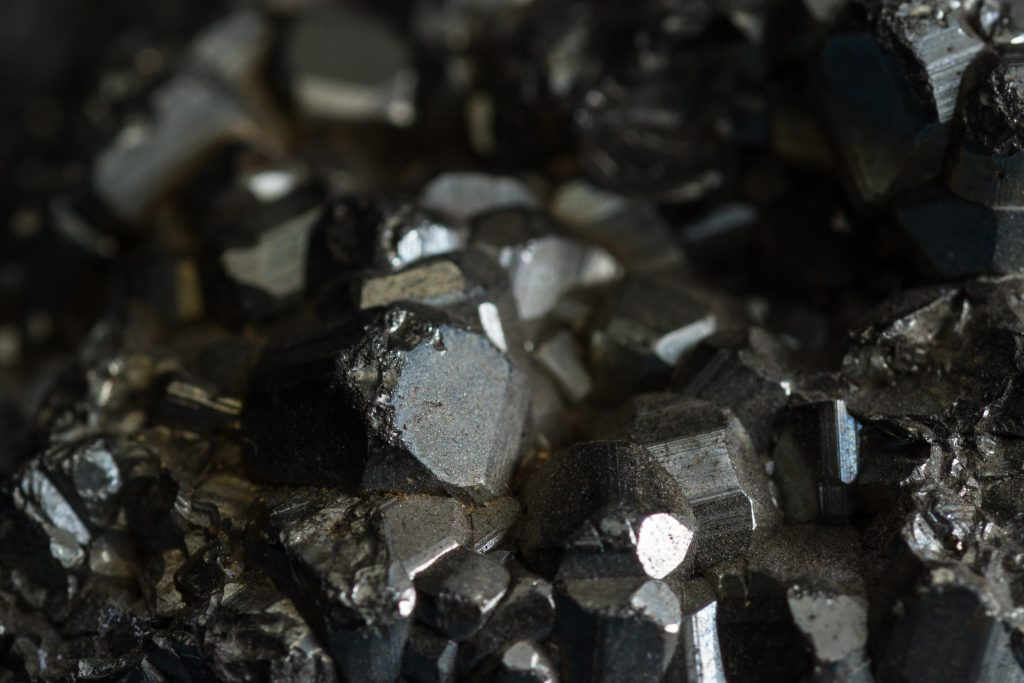
*While we may be able to alert you to possible problems, our basic inspections are no substitutes for specialized contaminant testing.*

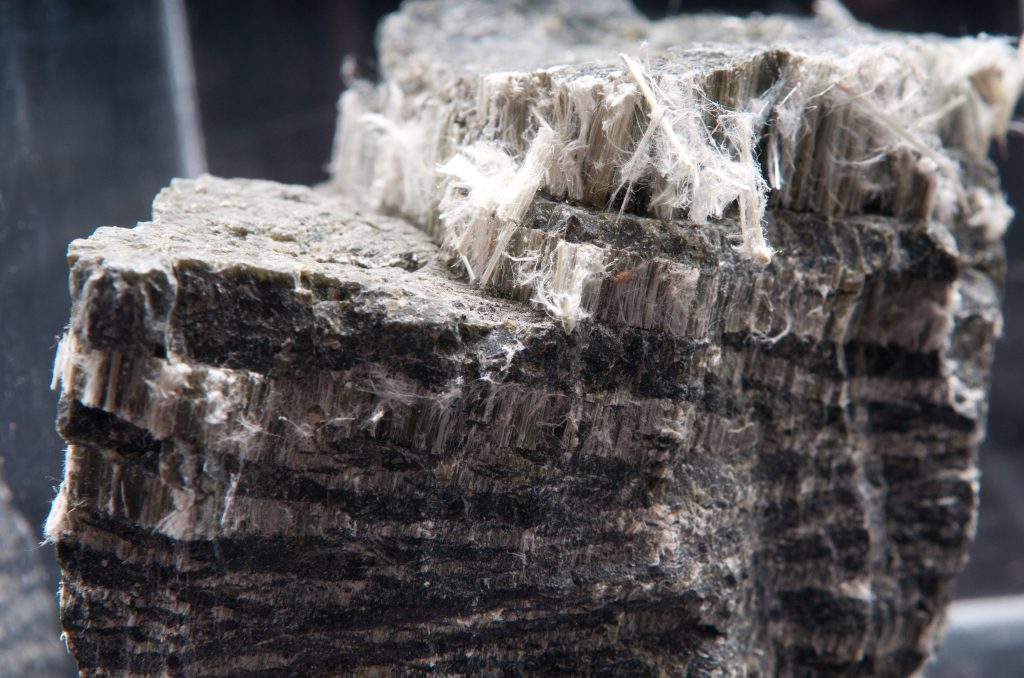
Asbestos is a mineral fiber that has been used commonly in a variety of building construction materials for insulation and as a fire-retardant. Because of its fiber strength and heat resistant properties, asbestos has been used for a wide range of manufactured goods, mostly in building materials (roofing shingles, ceiling and floor tiles, paper products and asbestos cement products), friction products, heat-resistant fabrics, packaging, gaskets and coatings. When asbestos containing materials are damaged or disturbed by repair, remodeling or demolition activities; microscopic fibers become airborne and can be inhaled into the lungs where they can cause significant health problems. Breathing high levels of asbestos fibers can lead to an increased risk of lung cancer, mesothelioma (cancer of lining of chest and abdominal cavity) and asbestosis (lungs scarred with the tissue). Houses built between 1930 and 1950 may have asbestos insulation but most of today’s products do not contain asbestos. If asbestos material is more than slightly damaged or you plan changes that might disturb it, you require a professional for repair and removal. Before beginning home remodeling, find out if asbestos is present to help prevent the hazard.
Information above contains excerpts from U.S. Environmental Protection Agency

For more facts about asbestos from the EPA, click here!

Primary

Meth

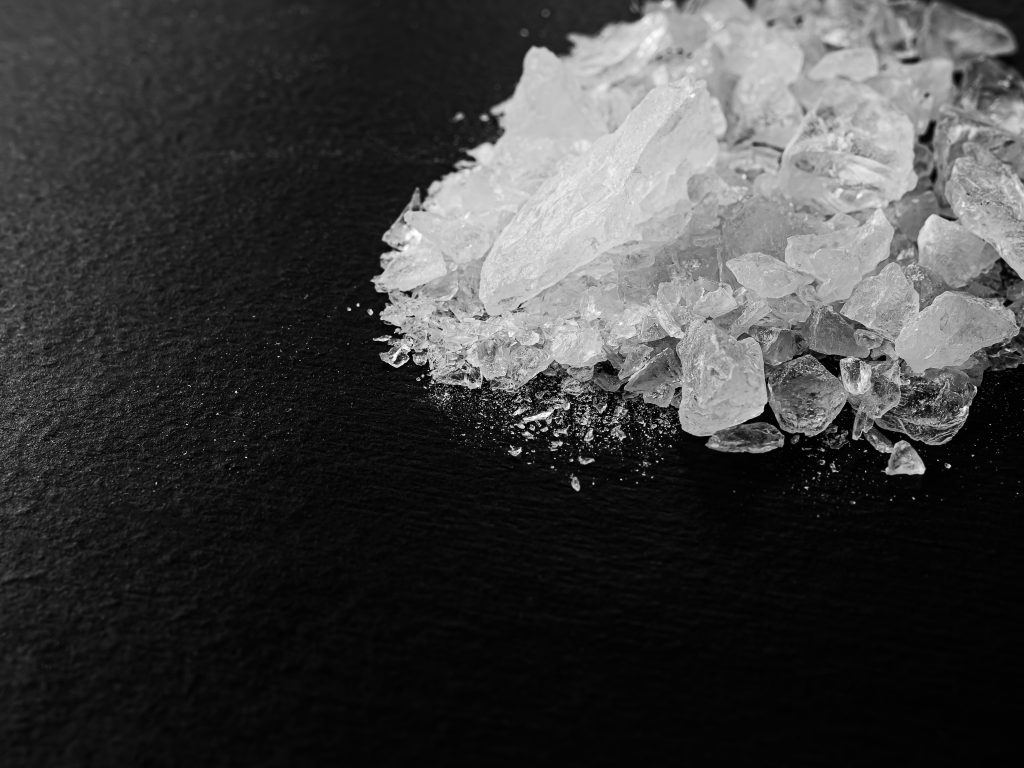
Methamphetamine is a highly addictive, powerful stimulant drug that dramatically affects the central nervous system. Usually illegally produced and distributed, it comes in several forms, including crystal, rocks, powder, and tablets. Unlike drugs derived from plants, such as heroin, marijuana, and cocaine, meth can be manufactured using chemicals purchased at the store. Since cooking meth is relatively simpley, it is often manufactured or “cooked” in very crude laboratories. These labs can be set up in homes, motel rooms, inside automobiles, and in parks or rural areas. As you might imagine, the toxic chemicals used in manufacturing meth take a toll on the environment. Each pound of manufactured meth can generate up to five pounds of toxic waste that may seep into the soil and groundwater. The manufacturing process also generates toxic fumes that can severely harm anyone exposed to them. Meth labs also generate highly explosive gases. Inspections can be performed to see if a property needs remediation.
Most of the information above was rewritten or excerpted from the United States Department of Justice Archive

For info about meth from the Dept. of Justice click here!
For info about meth from the Utah Dept. of Health click here!

Primary

Radon is a noble gas and is a by product of decaying uranium in the soil. Radon cannot be detected by the senses and its presence can only be detected by sophisticated instruments and laboratory tests. EPA estimates that the national average indoor radon level in homes is about 1.3 pCi/l of air. They also estimate that about 1 in 15 homes nationwide have levels at or above the level of 4 pCi/l, the level at which EPA recommends taking action to reduce concentrations. Levels greater than 2,000 pCi/l of air have been measured in some homes. Radon causes lung cancer, and is a threat to health because it tends to collect in homes, sometimes to very high concentrations. As a result, radon is the largest source of exposure to naturally occurring radiation. Radon is a lung carcinogen: the National Academy of Sciences estimates radon causes some 15,000 to 22,000 lung cancer deaths annually. The U.S. Surgeon General and the EPA recommend all houses be tested for radon. Houses with high radon levels can be fixed.
Information above contains excerpts from U.S. Environmental Protection Agency

For more facts about radon from the EPA, click here!

Primary

Mold

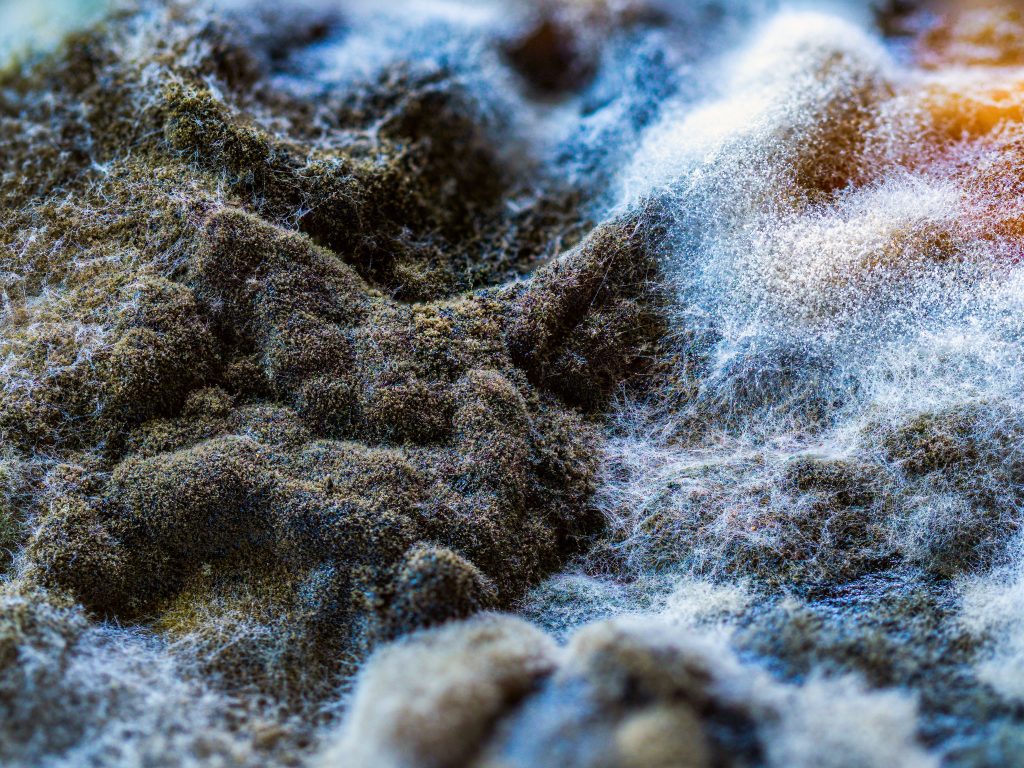
Molds can be found almost anywhere; they can grow on virtually any organic substance as long as moisture and oxygen are present. There are molds that can grow on wood, paper, carpet, foods, and insulation. When excessive moisture accumulates in buildings or on building materials, mold growth will often occur particularly if the moisture problem remains undiscovered or unaddressed. It is impossible to eliminate all mold and mold spores in the indoor environment; however, mold growth can be controlled indoors by controlling moisture. Many types of mold routinely encountered aren’t hazardous to healthy individuals. Too much exposure to mold may cause a worsening of such conditions as asthma, hay fever or other allergies. Fevers and breathing problems in a vulnerable individuals are possible but unusual. When moldy material becomes damaged or disturbed, spores, which are reproductive bodies similar to seeds, can be released into the air. Exposure can occur if people inhale the spores, directly handle moldy material, or accidentally ingest the spores. Since all molds need water to grow, mold can grow almost anywhere where there is high humidity, dampness or water damaged areas. Most often molds are confined to areas near the water source. Removing the source of moisture through repairs or dehumidification is crucial in preventing mold growth. Correcting underlying water damage and cleaning the affected area is the best way to treat mold. If mold contamination is extensive, a professional abatement company may be needed.
Information above contains excerpts from U.S. Environmental Protection Agency

For more facts about mold from the EPA, click here!

Primary

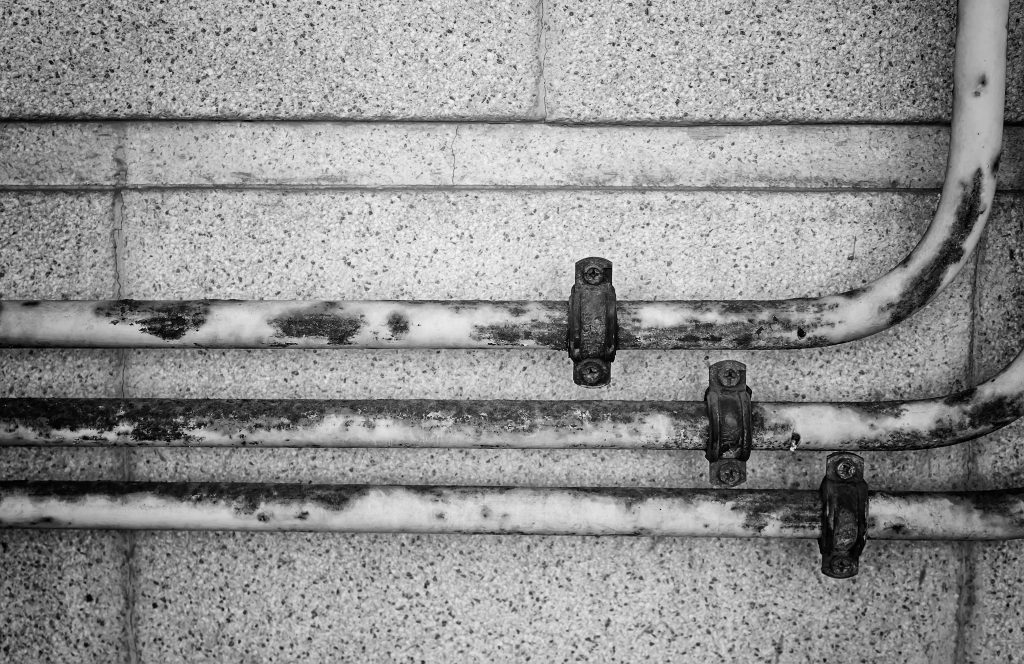
Lead is a highly toxic metal used for many years in products in and around homes. Lead’s adverse health effects range from behavioral problems and learning disabilities to seizures and death. Because their bodies are growing quickly, children age 6 and under are at the greatest risk. Primary sources of lead exposure for children are deteriorating lead-based paint, lead-contaminated dust, and lead-contaminated residential soil. Lead might be present in any home built up until the 1940s. Rarely found in source water, lead can enter tap water through corrosion of plumbing materials. Homes built before 1986 are more likely to have lead pipes, joints, and solder. New homes are also at risk: even legal lead-free pipes can contain up to 8 percent lead and leave significant amounts of lead in the water for the first several months after installation. Since the 1980s, the EPA and its federal partners have banned or limited lead used in consumer products, including residential paint. Federal regulations limiting the amount of lead in paint sold for residential use started in 1978. If your property was built before 1978 or you are considering remodeling, renovating, or repair; you may wish to think about a lead inspection. Water quality can be compromised by such other trace elements as iron, excess acidity, manganese, calcium, magnesium, mineral salts, hydrogen sulfide, selenium, chromium, arsenic, mercury, and cadmium.
Information above contains excerpts from U.S. Environmental Protection Agency

For more facts about lead from the EPA, click here!

For more facts about lead in drinking water from the EPA, click here!

Primary